
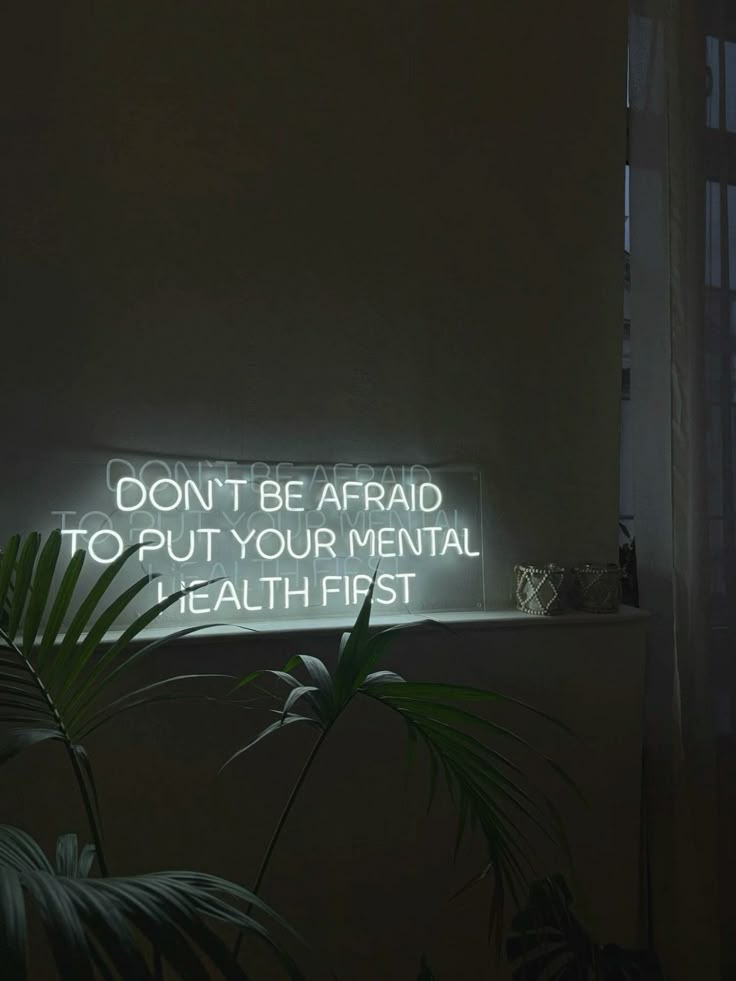
Take care of yourself.”
We’ve all heard it but what does that actually mean?
Somewhere along the way, self-care turned into bubble baths and expensive skincare. Don’t get me wrong those are nice. But the kind of self-care that truly improves your mood, confidence and peace of mind goes much deeper.
In this article, we’ll explore what real, evidence-based self-care looks like and how you can build a simple daily routine that fits your real life, not just Instagram.
1. Understand the psychology behind self-care.
True self-care is rooted in psychological maintenance the small acts that keep your mind balanced and resilient. It’s not selfish it’s a survival skill.
When you prioritize rest, nutrition, boundaries and joy, you teach your brain that you are safe and safety is the foundation of mental wellness.
Remember self-care isn’t a reward for working hard it’s part of staying well enough to live fully.
2. Know the 5 types of self-care.
Psychologists often group self-care into five categories. Knowing them helps you spot what’s missing from your routine:
Type : Physical.
Examples: Sleep,exercise,hydration, healthy meals.
What it nourishes:Your body and energy.
Type: Mental.
Examples: Reading, learning,quiet thinking time.
What it nourishes: Focus and Creativity.
Type: Social.
Examples: Spending time with loved ones, saying no when needed.
What it nourishes: Connection and belonging.
Type: Spiritual.
Examples: Prayer, Meditation,gratitude practice.
What it nourishes: Meaning and peace.
Type: Emotional.
Examples: Journaling, therapy, expressing feelings.
What it nourishes: Emotional Balance.
You don’t need to do all of them daily just make sure you’re not neglecting one for too long.
3. Build your daily 15-minute self-care routine.
If you only have a few minutes a day, here’s a quick structure that actually works:
Morning (5 minutes) — Do something grounding: stretch, breathe or journal one gratitude note.
Afternoon (5 minutes) — Move your body: walk, dance or take water and screen breaks.
Evening (5 minutes) — Reflect: what went well today, what can wait till tomorrow?
These micro-moments send powerful messages to your brain that you are prioritizing yourself. Consistency matters more than duration.
4. Set boundaries ,your invisible self-care shield.
Sometimes self-care means doing less.
Saying “no” to one more favor, stepping away from draining conversations or not replying instantly.Boundaries protect your peace and the people who truly love you will understand.
Try this phrase:
“I really value this, but I need some rest today. Let’s plan for another time.”
You don’t owe guilt for preserving your mental space.
5. Debunking the biggest self-care myths.
Myth 1: Self-care is expensive.
Truth: The best self-care is often free sleep, water, sunlight, silence, laughter.
Myth 2: Self-care is selfish.
Truth: You can’t pour from an empty cup taking care of you helps you show up for others better.
Myth 3: Self-care means perfection.
Truth: Missing a day isn’t failure it’s feedback. Adjust and continue.
In Conclusion,Self-care isn’t about creating a perfect routine it’s about staying connected to yourself.
When you intentionally rest, nourish and set boundaries, you remind your mind and body that you matter.
So tonight, do one small thing just for you. Not because you earned it but because you deserve it.
Disclaimer:
This article is for general information only and not medical advice. Always seek professional help if you’re struggling with your mental or emotional health.
Comments (0)
No comments yet. Be the first to comment!
Leave a Comment