
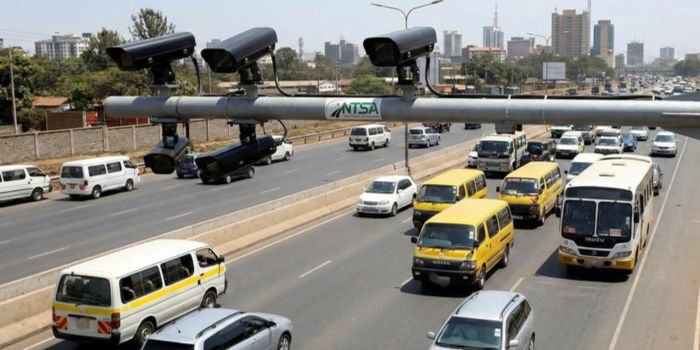
Kenyan motorists are being urged to pay closer attention to speed limits following the introduction of a structured penalty system for speeding offenses. The framework, which aims to improve road safety and reduce accidents caused by overspeeding, applies different penalties depending on how far a driver exceeds the posted speed limit.
The move comes as authorities continue to invest in digital traffic enforcement technologies, including speed cameras and automated monitoring systems along major roads and high-risk areas across the country.
How the New Speeding Penalties Work
Under the new structure, penalties increase based on the number of kilometres per hour (km/h) a driver exceeds the legal speed limit.
| Speed Above Limit | Penalty | Outcome |
|---|---|---|
| 1–5 km/h | Warning | No fine; driver receives an official warning |
| 6–10 km/h | KSh 500 | Minor speeding fine |
| 11–15 km/h | KSh 3,000 | Moderate speeding penalty |
| 16–20 km/h | KSh 10,000 | Highest fine within the minor offense category |
| More than 21 km/h | Court Appearance | Matter escalated for legal action |
Increased Use of Digital Enforcement
The enforcement framework is expected to rely heavily on modern traffic monitoring systems. Speed cameras and digital detection equipment can automatically capture vehicle details, record the location of the offense, and log the exact time the violation occurred.
This means motorists may be flagged even without being stopped by a traffic officer, making compliance with speed limits more important than ever.
Demerit Points Could Affect Your Driving Licence
Beyond monetary fines, repeat offenders may face additional consequences through a demerit point system. Drivers who consistently violate traffic rules could accumulate points against their driving records, potentially leading to licence suspension or other restrictions.
Road safety experts have long argued that stricter enforcement is necessary to reduce the number of road accidents, many of which are linked to excessive speed.
What Drivers Should Do
Motorists are advised to remain vigilant, especially in areas with changing speed limits. Urban centres commonly have limits of 50 km/h, while major highways may allow speeds of up to 110 km/h depending on the road and signage.
The safest approach is simple: observe road signs, maintain safe speeds, and adjust driving behaviour according to traffic and weather conditions.
As authorities continue to strengthen road safety measures, drivers who stay within the law will avoid penalties while contributing to safer roads for everyone.
Comments (0)
No comments yet. Be the first to comment!
Leave a Comment